
Sleep Apnea and Snoring Treatment in Palm Beach Gardens, FL
A custom oral appliance can help keep your airway open during sleep and may help with snoring and some cases of obstructive sleep apnea. At our Palm Beach Gardens office, Dr. David Skopp and Dr. Eden Skopp work with your physician to see whether an oral appliance is right for you.
How can a dentist help with sleep apnea?
Obstructive sleep apnea happens when the airway narrows or closes repeatedly during sleep. A physician diagnoses sleep apnea, usually after a sleep study. A dentist does not diagnose it, but can provide a custom oral appliance as part of treatment.
An oral appliance looks like a sports mouthguard. It gently holds the lower jaw or tongue forward to help keep the airway open while you sleep. It can be an option for people with snoring or mild to moderate sleep apnea, and for some people who cannot tolerate a CPAP machine. Your physician and your dentist decide together whether it is right for you.
Signs that you may want to be checked
Loud, frequent snoring
Snoring can be a sign of sleep apnea, though not everyone who snores has it.
Pauses in breathing
A bed partner may notice that you stop breathing or gasp during sleep.
Daytime tiredness
Feeling very sleepy during the day, even after a full night in bed, can be a sign of a sleep problem.
Morning headaches or dry mouth
Waking with a headache, a sore throat, or a dry mouth can also be linked to sleep problems.
Benefits of an oral appliance
Custom made
Your appliance is made to fit your teeth and bite.
Quiet and portable
An oral appliance has no machine, hose, or mask, so it is easy to travel with.
An option if CPAP is hard to use
Some people find an oral appliance easier to wear than a CPAP machine. Your physician can tell you whether that applies to you.
Coordinated with your physician
We work with your medical team so your care stays on track.
What to expect
Talk with your physician
If you think you may have sleep apnea, see your physician. They can arrange a sleep study and tell you whether an oral appliance is an option.
Consultation and exam
Your doctor examines your teeth, jaw, and bite, reviews your sleep study if you have one, and explains your options.
Custom appliance
We take impressions or scans of your teeth so your appliance can be made to fit you.
Fitting and adjustments
When your appliance is ready, we check the fit, show you how to wear and clean it, and adjust it as needed.
Follow-up care
We see you for follow-up visits and coordinate with your physician to check how treatment is working.
Treatment time and the number of visits vary. Your doctor will explain what to expect at your consultation.
Is an oral appliance right for you?
An oral appliance may be an option if you snore or have been diagnosed with mild to moderate obstructive sleep apnea, or if you have trouble using a CPAP machine. It is not right for everyone, and more severe sleep apnea may need other treatment.
Sleep apnea can affect your health, so it is important to be evaluated by a physician. If you already have a diagnosis, bring your sleep study results to your consultation.
New to our office? See what to expect at your first visit.
Meet the doctors who plan your care
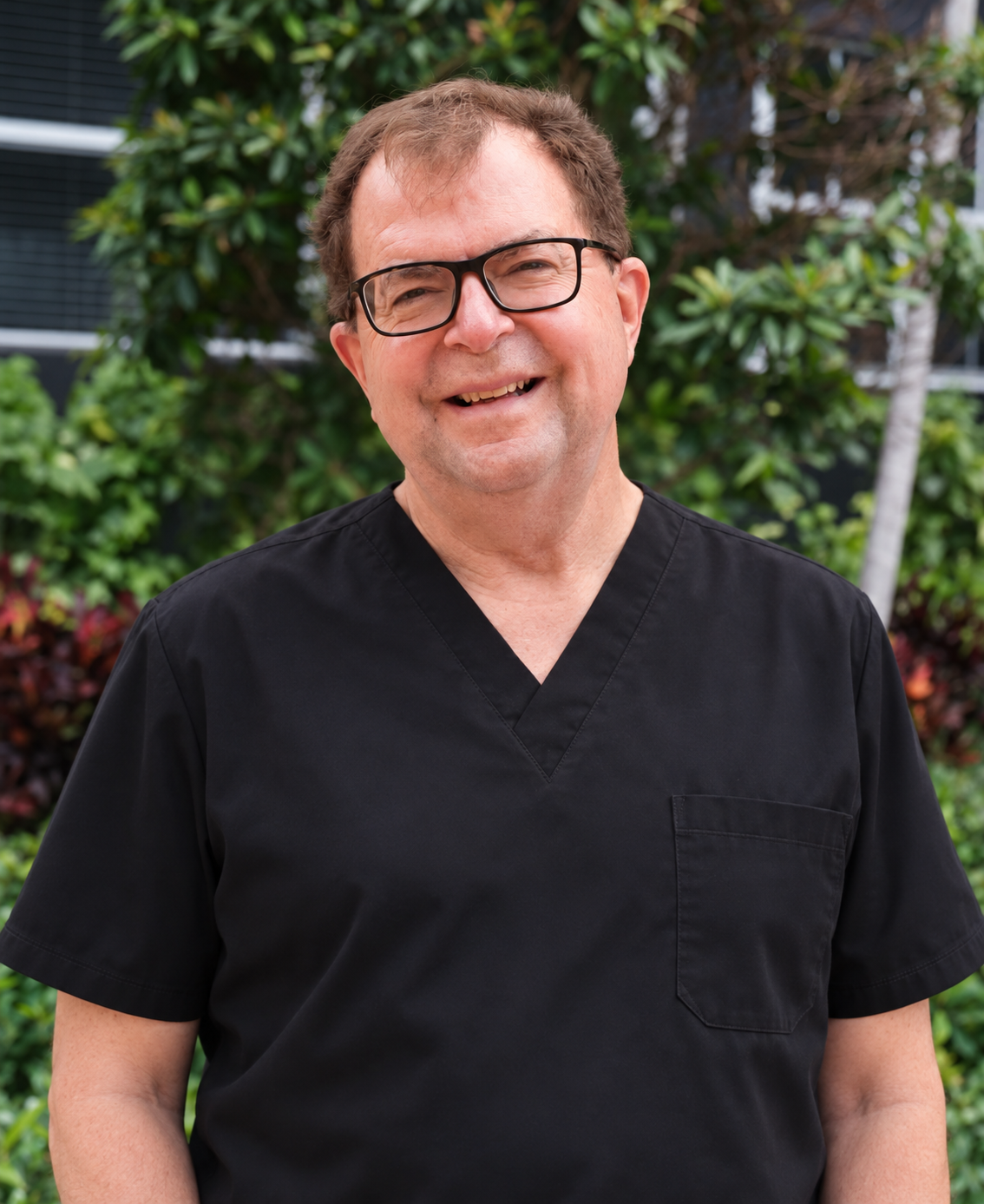
David M. Skopp, DDS
Postgraduate certificates in prosthodontics and oral implantology, and a graduate of the Misch Implant Institute with 300 additional hours of training.
Read Dr. David’s bio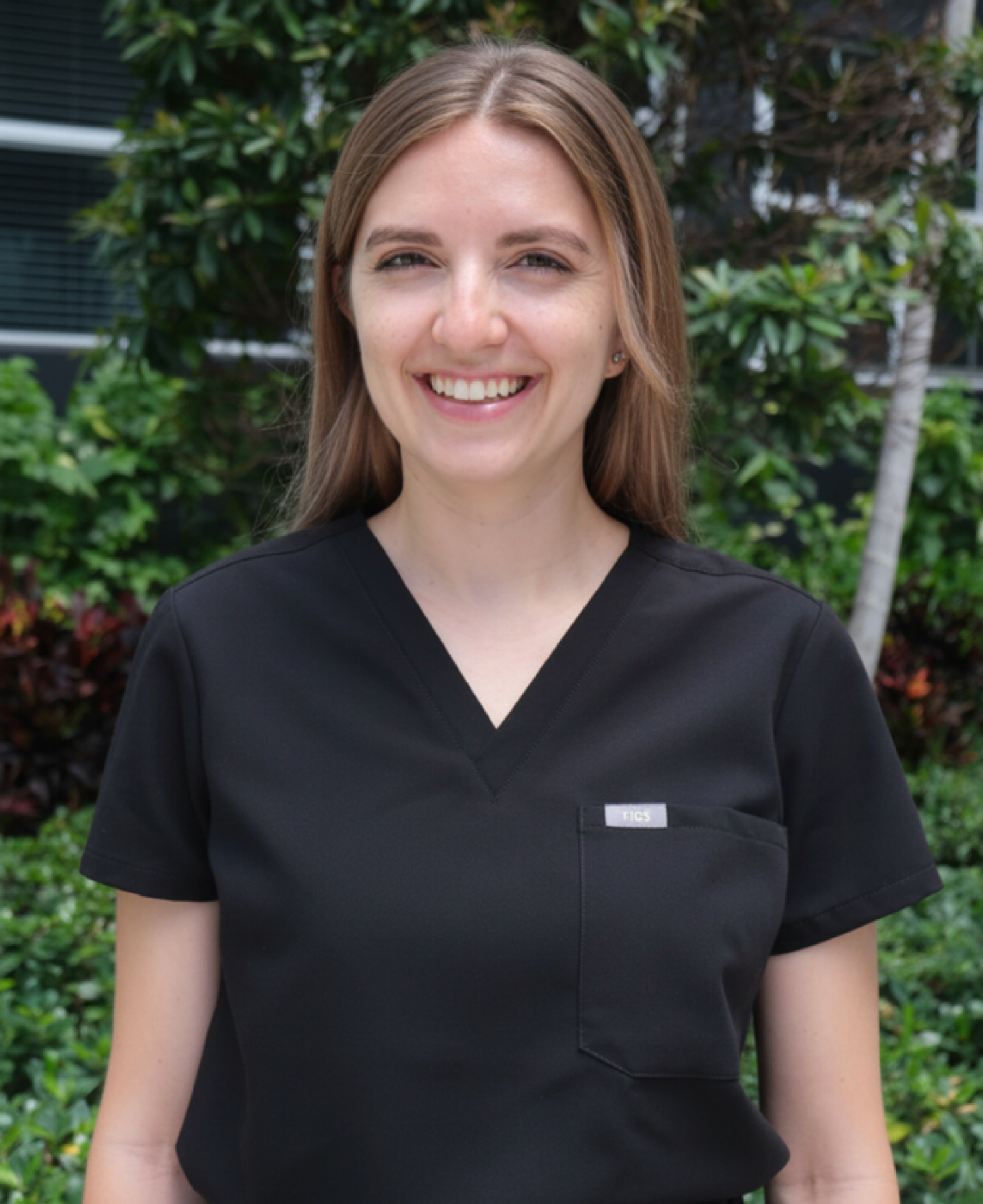
Eden Skopp, DDS, MS
Certificate in Prosthodontics and Master of Science from the University of Maryland, with a focus on technology in prosthodontics.
Read Dr. Eden’s bioSleep Apnea Treatment FAQs
Can a dentist treat sleep apnea?
A physician diagnoses sleep apnea. A dentist can provide a custom oral appliance to help keep the airway open during sleep, which can be an option for snoring and mild to moderate obstructive sleep apnea. We coordinate with your physician.
What is an oral appliance for sleep apnea?
An oral appliance is a custom-made device worn in the mouth during sleep. It looks like a sports mouthguard and helps hold the lower jaw or tongue forward so the airway stays more open.
Do I need a sleep study first?
To be diagnosed with sleep apnea, yes. A physician orders and reviews the sleep study. If you already have one, bring the results to your consultation.
Is an oral appliance as good as CPAP?
CPAP is often the first treatment for sleep apnea, especially when it is more severe. An oral appliance can be an option for mild to moderate sleep apnea, or for people who cannot use CPAP. Your physician and dentist will help you decide.
Does an oral appliance work for everyone?
No. How well it works depends on the person and on how severe the sleep apnea is. Your physician and dentist will tell you whether it is likely to be a good fit.
Are there side effects?
Some people have jaw soreness, extra saliva, or a dry mouth when they begin. Over time, an appliance can also cause small changes in how the teeth fit together. We monitor this at follow-up visits.
Is snoring the same as sleep apnea?
No. Many people snore without having sleep apnea, but loud, frequent snoring can be a sign of it. If you are concerned, talk with your physician.
Does insurance cover an oral appliance?
Coverage varies. Some medical plans may help with an appliance for diagnosed sleep apnea. Call our office and our team will help you understand your coverage.
Explore related services
Ready to talk about better sleep?
Schedule a consultation at our Palm Beach Gardens office. New patients are welcome.